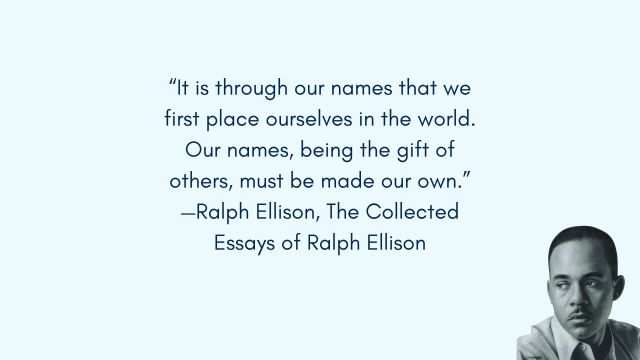
It is through our names that we first place ourselves in the world.
Our names, being the gift of others, must be made our own.
Ralph Ellison
I never teach the same lesson twice, and that’s because every cohort of students that I meet brings unique backgrounds, hidden stories, and personal histories that shape who they are. As educators, our priority is creating a safe, inclusive environment where students feel seen, respected, and empowered to discuss identity, well-being, and community. I tell students that I can’t teach them without knowing them, and that begins with learning, and respecting their names.
Inspired by resources from Facing History & Ourselves, I run a multi-stage lesson with my sophomore health classes during the first few weeks of the term. The lesson, shared below, goes from self-reflection to critical analysis, and helps build upon our previously co-constructed class norms.
Step 1: We begin with an individual reflection. Students research the meaning and origins of their names and write their findings on a post-it note. Then, in small groups, they share using guided prompts:
Is there a story connected to your name?
Who chose your name and why?
Does it have a meaning, or has it changed over time?
How do relatives call you, or is there a version in another language you prefer?
Students are encouraged to respond to the prompts that they are most comfortable sharing. Names carry complex personal histories, including cultural assimilation, family legacy, or gender identity navigation. By explicitly encouraging them to share only what feels comfortable, I establish trust while validating the rich linguistic and cultural diversity in the room.
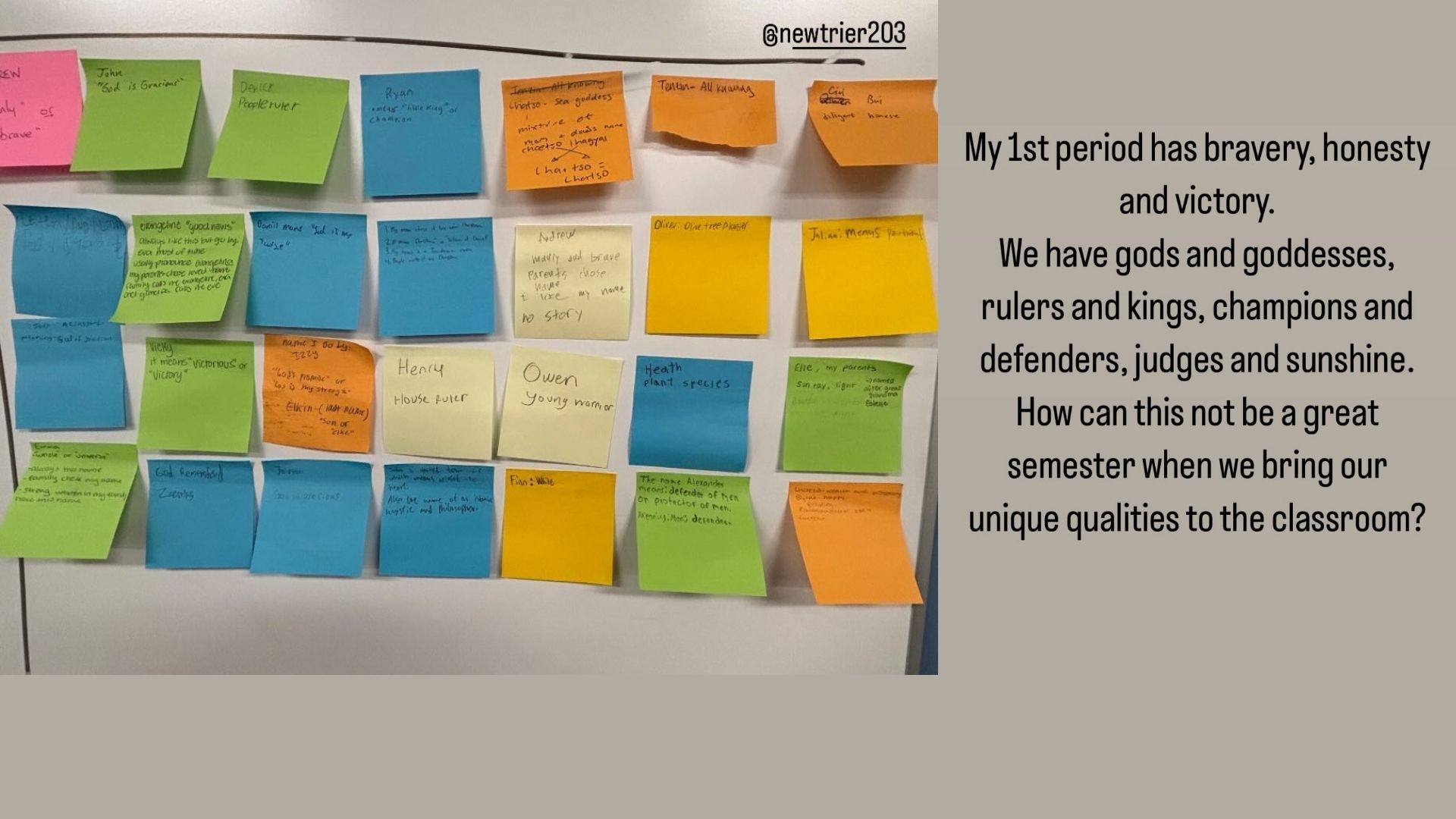
Step 2: After sticking their post-it notes on the board, I read through the responses and share this image from a previous class that embodies everything I’m looking for in this initial activity. I shared this on social media having walked away from the lesson feeling like I’d stumbled upon something special. This is celebrating diversity, and celebrating the strength that it brings to the classroom, setting an inclusive vibe for the rest of the year.
Step 3: It’s gallery walk time. Returning to the Facing History & Ourselves resource, I post 5 quotes around the room connecting names to power, history, and identity.
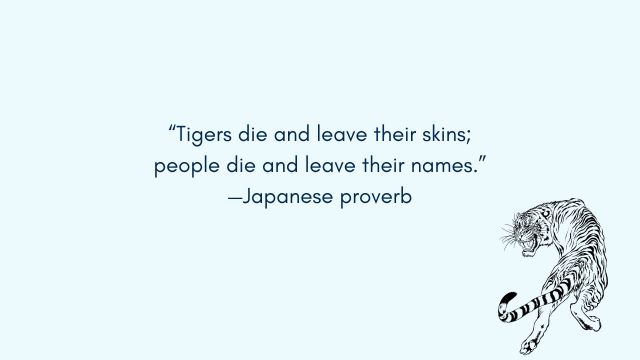
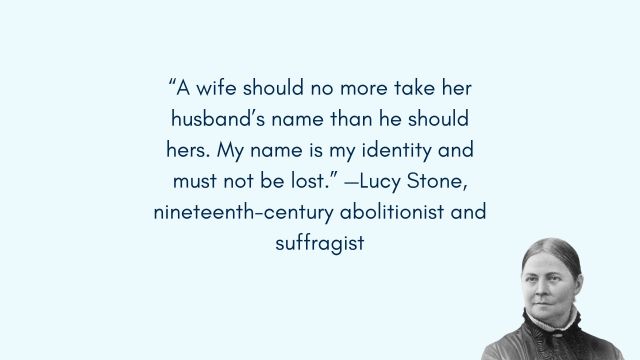
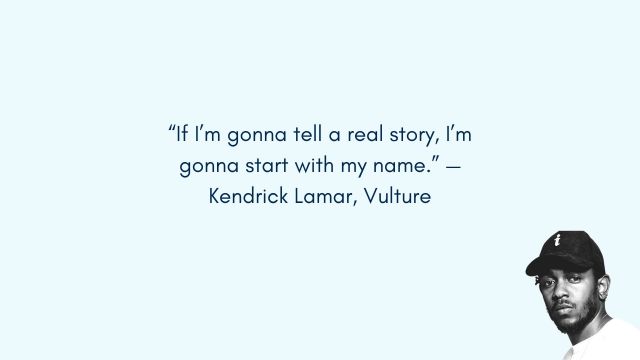
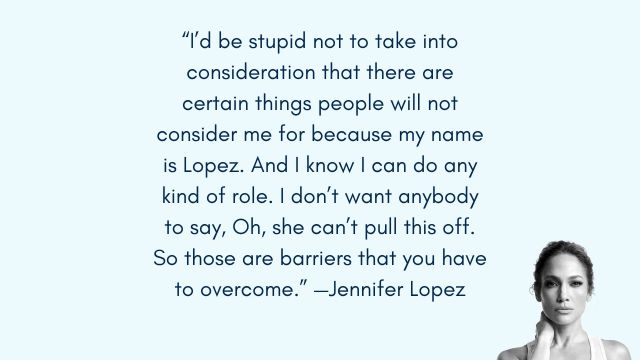
Students conduct a silent gallery walk, selecting a quote that resonates with them and writing an initial response on a post-it note.
I ask them to consider these prompts:
Why did you choose this quotation?
What do you think it means?
What idea about names do you think the speaker/writer wants us to consider?
What questions does it raise for you?
After I acknowledge some of the responses that resonated with me before conducting the second round where students read their peers’ post-its and add new sticky notes directly beneath them – asking questions, offering alternative perspectives, or building on an idea. It looks a little like this:
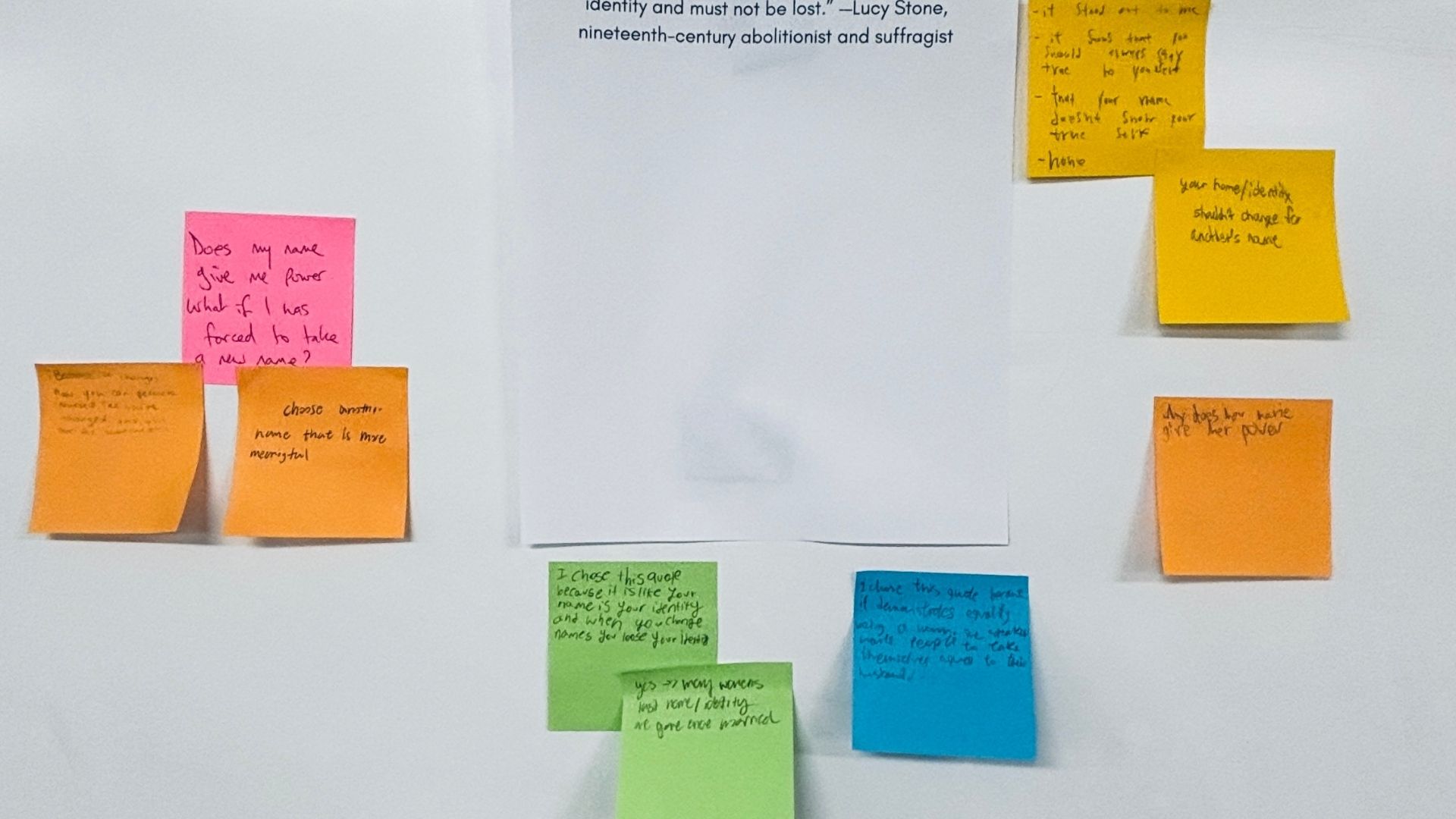
What I like about this layered post-it activity is that it creates an active, asynchronous conversation on the wall. Quiet students get an equal voice, and the class co-creates a visible web of critical thinking around topics like systemic bias, autonomy, and legacy.
Step 4: We wrap up this lesson with group work using the structured handout from Facing History & Ourselves. The following prompts encourage students to discuss the themes from the lesson. While I encourage you to sign up, and download the resources, the prompts we address are:
In what ways can names be empowering?
In what ways can names be limiting?
What steps can we take in this class to make sure our names are always empowering and never limiting? (I LOVE this final prompt!)
Thirty plus years in the classroom has taught me I cannot effectively teach health, wellness, or social-emotional growth without first honoring the unique make-up of my students and respecting the distinct journeys that brought them to my classroom.
Starting with names sends a clear message: Who you are matters here. When teachers take the time to unpack the power behind our names, we build a foundation of mutual respect that lasts all semester long.
If you enjoyed this blog post then you’ll like the following:
The Importance of Creating a Full Value Contract with Your Students by Michelle Rawcliffe
Walking With Purpose: Using Empathy Walks – a great community building activity that sets a tone of collaboration, empathy, and mutual respect that will carry throughout the school year.
Say My Name – more from me on the power of learning names, including MY favorite method for learning names.
How I Discovered the Meaning of My Own Name via The Good Trade