I don’t have a classroom anymore.
No attendance to take, no daily lessons to plan, no consistent group of students sitting in front of me. As an assistant athletic director and coach, my interactions are more scattered amongst the hallways, gyms, sidelines, quick check-ins in between everything else.
At first, I missed that built-in connection.
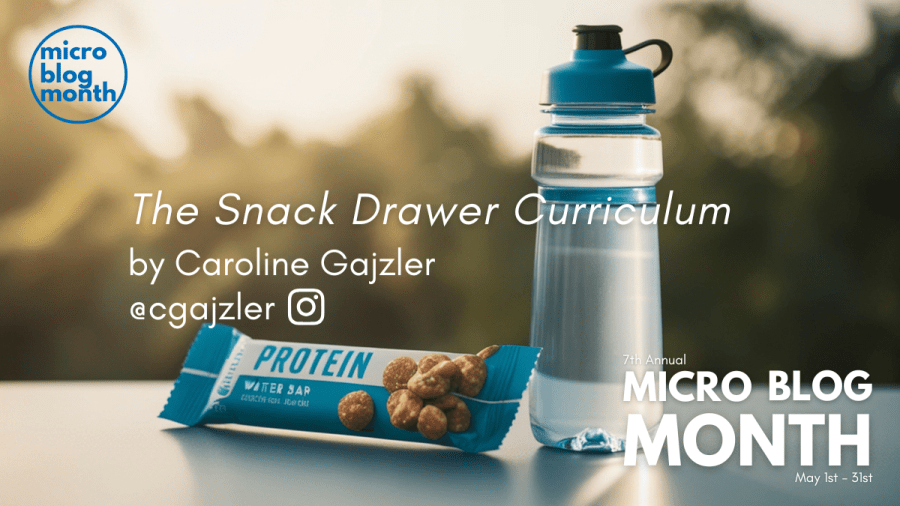
So I started a snack drawer. Protein bars, candy, whatever I can throw in there. But there’s one unspoken rule: if you want something, you have to stay and talk for a minute.
Sometimes it’s just that, a quick minute. But a lot of times, it turns into more.
I’ve had seniors come in and talk about college applications, jobs, and all the uncertainty that comes with what’s next. Underclassmen stop by to fill me in on club seasons, classes, or even what next year’s jerseys should look like. And sometimes it’s just life – friends, stress, or something funny that happened that day.
None of it is planned. None of it is part of a formal lesson or practice plan. But it’s become one of the most important parts of my day.
In sports, we talk a lot about what athletes learn – discipline, resilience, teamwork – the “hidden curriculum” that doesn’t show up in the score. But I’ve realized those lessons aren’t just built in practices or games. They’re built in these small, unplanned moments where someone feels comfortable enough to stop, stay, and share.
The snack drawer isn’t really about the snacks. It’s about creating a space where students know they’re welcome, where conversations can be as small or as big as they need, and where connection doesn’t require a classroom or a playing field.
Turns out, some of the most meaningful moments happen in two-minute conversations – and sometimes, all it takes to start one is a piece of candy.
This post is part of #slowchathealth’s #MicroBlogMonth, where educators from around the world share, connect, and inspire. Take a moment to explore more posts, connect with contributors like Caroline Gajzler and if you’re feeling inspired… we’d love to hear your voice too.
Pair this post with:
Creating a Student Care Cart within the Classroom by Melanie Sjoblom
Lyme Disease by Caroline Gajzler

