In the rush of daily life, school drop-offs, work meetings, dinner prep, washing, and a never-ending to-do list, it’s easy to let “playtime” fall to the bottom of the priority pile. But what if we told you that playing together as a family could be the most impactful thing you do for your family’s health, happiness, and connection?
Yep. That’s the power of play.
We’re not talking about expensive holidays or hours of screen-free entertainment. We’re talking about five minutes of silliness in the living room, a spontaneous backyard game, or laughing together over a made-up dance challenge. Moments like these aren’t just fun; they’re vital.
The Science Backs It Up
Family play has been shown to:
1. Lower stress and anxiety by releasing endorphins and promoting relaxation
2. Improve communication and problem-solving skills through shared activities
3. Strengthen emotional bonds and create a deep sense of belonging
4. Support cognitive development in children and keep adult brains sharp
5. Build resilience by helping everyone learn how to cope with challenges in a fun, low-pressure way
Neuroscientists have discovered that our brains are wired for play. It’s not just something nice to do, it’s something we need to do. Like sleep, food, and movement, play is a fundamental human need, no matter your age.
But I Don’t Have Time!
Here’s the good news: play doesn’t have to be complicated or time-consuming. A silly five-minute game at dinner, a funny question on the drive to school, or a round of charades after homework can work wonders. The magic is in the connection, not the perfection.
What matters most is showing up, letting go of expectations, and being present in the moment with your loved ones.
The Ripple Effect
When families play together, they communicate more openly, laugh more freely, and develop a deeper sense of trust. Kids feel safer, more supported, and more seen. Parents rediscover lightness and connection amidst the chaos. Siblings learn to cooperate, compete, and cheer each other on. And all of it builds memories that last far longer than anything on a screen. Play doesn’t just make the moment better; it strengthens the whole family.
So, Let’s Make Play a Priority
Play is not a luxury. It’s not something you earn after the “real stuff” is done. It is the real stuff. It’s how we connect, heal, learn, and grow together. So tonight, instead of rushing through the routine, take a moment and dance in the kitchen, play a goofy game, laugh, be silly and be present. In the end, it’s not the clean house or the finished homework that builds strong families; it’s the joyful, shared moments of play. So set your alarms and prepare for August when Dale Sidebottom and Paul Campbell, the Directors of The School of Play, release their new book 365 Days of Play for families.
This microblog post was a featured post in #slowchathealth’s #microblogmonth event. You can search for all of the featured posts here. Please do follow each of the outstanding contributors on social media (including Dale Sidebottom, the author of this post) and consider writing a microblog post of your own to be shared with the global audience of slowchathealth.com
Pair this post with the following:
The Ultimate Engagement Game for ALL – Gratitude Jenga by Dale Sidebottom
The Happiness Boomerang by Dale Sidebottom
You Can’t Pour From an Empty Bottle by Dale Sidebottom and Craig Daly
Happiness Factories by Phil Mathe
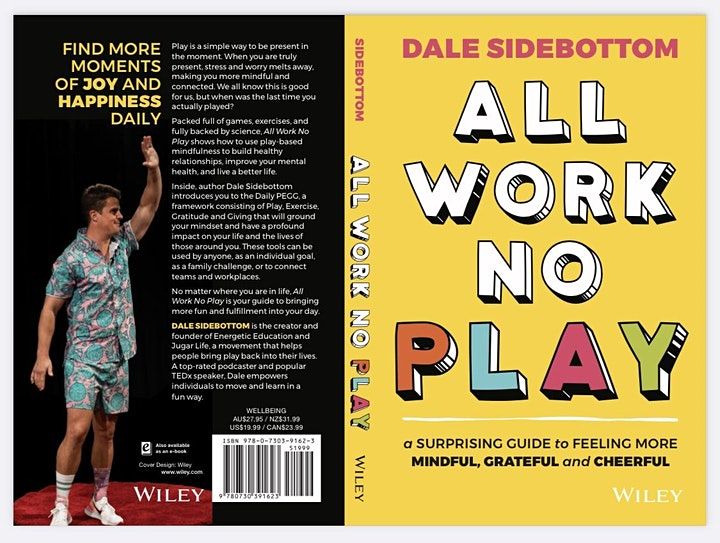
Also, check out Dale Sidebottom’s previous book – “All Work, No Play“, which was a #slowchathealth Book of the Month selection.
 #slowchathealth