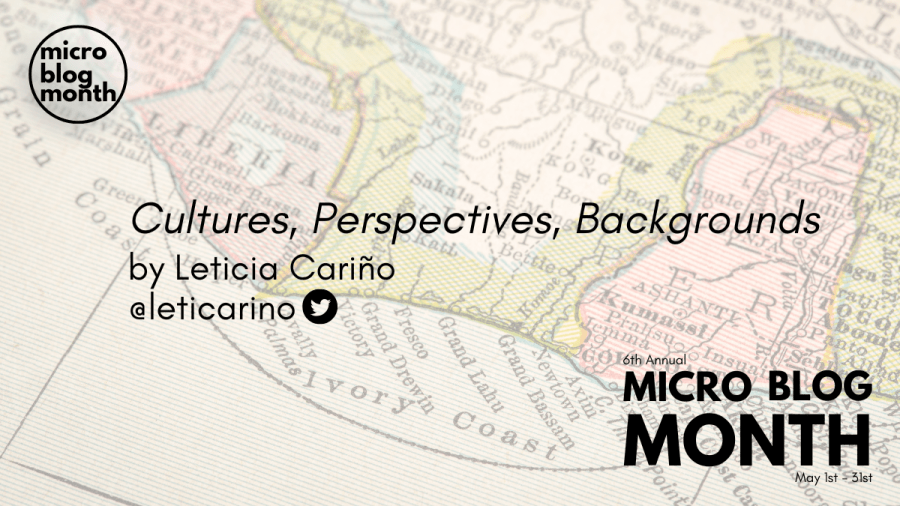
Have you ever considered the cultural backgrounds of the students you teach?
As an educator, I have come to realize that considering the cultural backgrounds of students is not just beneficial but essential in creating an inclusive and effective learning environment. My experiences teaching in International Schools have profoundly shaped my perspective on this matter.
This year, one of my goals was to work on including DEIJ ( Diversity, Equity, Inclusion, Justice) practices in my lessons. For instance, in grade two, students were working on a “How the World Works” Unit of Inquiry in the homeroom, and we decided to integrate with them through some concepts such as change, responsibility, and perspective.
During this unit, we explored several cultural games from different countries and continents.
Being in Côte d’Ivoire, prioritizing that our host country was part of the games we learned and taught was a must.
This approach not only engaged students more deeply in the subject matter but also fostered a sense of pride in their cultural heritage. I observed students who were usually reserved become animated when sharing aspects of their culture. Moreover, it created numerous opportunities for cross-cultural dialogue and understanding among the students.
We invited families to share the games from their home country, either teaching their child how to play or coming to teach us themselves. We were lucky to have our lifeguards share a few games from Côte d’Ivoire.
In addition, we played games from India, Uganda, Norway, Kenya, Spain, England, South Africa, Ghana, Cameroon, Some could be classified as target games, others as tag games. As classroom learning assistants engage with our lessons, we also learned that “Hopscotch” has many different versions and names, depending on which country you are playing it in or what the rules are in that country. Students showed responsibility by researching, learning, and teaching others their games. We noticed that some of the games we played had some similarities with other games we knew, and wondered about the changes, how the rules changed from country to country, and what made this happen.
This thinking made us reflect on our own perspectives, cultures, backgrounds and understandings when we played games. We made connections with some of the games we already knew how to play or had similar rules or equipment. For instance, petanque was a game that had its origins in France and is widely known and played around the world.
It was beautiful to experience how learning assistants got very involved in this unit, and touching to see how childhood memories came back to mind, reminding us of the importance of play, the social interaction that happens when we play, and especially while playing these kinds of games. During this uni,t it was fascinating to see how learners were in charge, and they enjoyed teaching others something that was a part of who they are. Moreover, this approach has implications beyond the classroom. By fostering an appreciation for diversity from a young age, we are helping to shape more open-minded, culturally aware citizens. This is crucial in combating prejudice and promoting social harmony in diverse societies.
In International Schools, people are not just from one place. We are all made of a some sort of collage or mix of places. Parents might not come from the same country, kids are known as “Third Culture Kids” because they were possibly born in a different country than their parents, and/or they live in yet another country.
I have lived overseas for more than 15 years now and taught in Spain, the US, the Netherlands, China, Cambodia, and Côte d’Ivoire. This is the fourth continent we are living on now, and we are constantly learning fascinating things from cultures, perspectives, and backgrounds.
One of the most memorable days at this school has been Africa Day.
An event with activities highlighting the amazing things this continent has to offer. The day was filled with activities for the whole school. Playing African sports and games from Kenya and South Africa, learning how to drum, making some jewelry with beads, doing some African Mother Tongue activities, making a collaborative art piece, and making pagne.
We also had an assembly where we were able to witness traditional clothing from many the African countries represented at our school, Senegal, Morocco, Liberia, Nigeria, Ghana, Côte d’Ivoire, Mauritania, Rwanda, Gambia, Mali, Botswana, Cameroon, Kenya, Benin, Niger, Guinea, Burkina Faso, Egypt, Niger, Ethiopia, Uganda and Mauritius. We also enjoyed incredible dances from Côte d’Ivoire and tasted great food from several African countries.
It was a day filled with joy, a sense of belonging, recognizing each others diversity and beauty in it.
In conclusion, considering the cultural backgrounds of students is not an optional add-on to teaching, but a fundamental aspect of effective education in the 21st century. It requires ongoing effort, reflection, and adaptation, but the rewards – for students, teachers, and society at large – are immeasurable. As educators, we have a responsibility to create learning environments that not only acknowledge but celebrate the rich tapestry of cultures that our students bring to the classroom.


This microblog post was a featured post in #slowchathealth’s #microblogmonth event. You can search for all of the featured posts here. Please do follow each of the outstanding contributors on social media (including Leticia Cariño, the author of this post) and consider writing a microblog post of your own to be shared with the global audience of slowchathealth.com
Pair this post with the following awesome posts:
The Journey by Jorge Rodriguez
The Power of Change and Transitions by Leticia Cariño
The Power of Meaningful and Joyful Experiences by Leticia Cariño
International Spirit by Leticia Cariño
Have you read the latest Book of the Month recommendation?
 #slowchathealth
Pingback: Reflecting on Six Years of #Microblog Month – #slowchathealth
Pingback: What’s the Word? Vocabulary and Its Role in Your Classroom – #slowchathealth