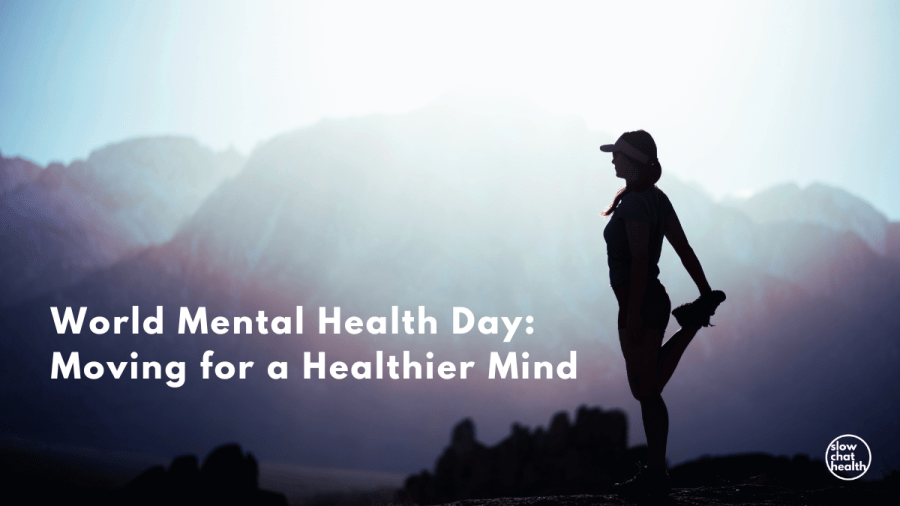
With World Mental Health Day upon us, it’s a good moment to reflect on how our mental well-being is connected to movement. In a world where stress and anxiety levels are rising, we often look for quick fixes, but one of the most powerful tools to support our mental health is something we already know how to do: move.
Whether it’s a brisk walk, a game of basketball, or practicing yoga, movement in any form can have a profound impact on our mental health. It doesn’t need to be a sweaty gym session or an intense workout—what matters is that we get our bodies moving. Let’s explore why that matters and how you can incorporate movement into your day to improve mental well-being.
How Movement Boosts Mental Health
The connection between physical activity and mental health is well-established. Exercise releases endorphins, often called the “feel-good” hormones, which can improve mood and reduce symptoms of depression and anxiety. Movement also provides a break from our daily routines and gives us time to refocus and recharge.
Regular physical activity helps reduce stress, improves sleep quality, and boosts self-esteem—all key factors for maintaining positive mental health. It’s like a reset button, giving us the clarity and energy to tackle challenges with a fresh mindset.
How We Move for Mental Health
- Walking
Walking is one of my students most requested activities, and one of the simplest and most effective ways to boost your mental health. Whether it’s a quiet walk through a neighborhood park or a fast-paced stroll in the city, walking allows you to unplug from the day and get some fresh air. For students and teachers, walking during lunch breaks or as a morning routine can set a positive tone for the day. It’s also a great way to connect with nature, which brings its own mental health benefits. Two of the #slowchathealth Book of the Month selections have been about walking: Born to Walk by Dan Rubinstein and 52 Ways to Walk by Annabel Streets. - Solo Activities
Individual activities like yoga, cycling, swimming, or jogging can be incredibly grounding. They give you time to focus on yourself, your breathing, and your thoughts. In these moments, you’re not just moving your body but also clearing your mind. For students who may find group sports overwhelming or stressful, solo activities can provide a great alternative. These activities also help develop mindfulness, which is key to reducing anxiety and improving emotional balance. - Group or Community Movement
While solo activities are powerful, moving with others adds a social component that can be uplifting. Playing a sport with friends, joining a community run, or participating in a local fitness class not only gets your body moving but also fosters social connections, which are critical for mental health. Studies show that being part of a supportive group can reduce feelings of loneliness and build a sense of belonging.High school students, in particular, can benefit from joining after-school sports, dance clubs, or walking groups, finding a sense of community while moving together. Teachers, too, can join fitness classes with colleagues or lead group activities with their students to promote a shared sense of wellness. I’ve worked at schools where adults offer classes to peers, and students alike. - Mindful Movement
Yoga, tai chi, or even stretching in the classroom between lessons can bring a calming, reflective pause to a busy day. These activities focus on the mind-body connection, helping to release tension while enhancing concentration and mental clarity. Both students and teachers can benefit from integrating mindful movement into their daily routines—whether it’s starting the day with five minutes of yoga or doing some mindful stretching during breaks. Personally, I love the Daily Move offered by Calm, one of my favorite mental health apps. These 5 minute videos, perfect for the start of the day, build awareness, comfort and relief through mindful movement.
Where We Move for Mental Health
Where we choose to move is just as important as how we move. The beauty of movement is that it can happen anywhere.
- Nature: Moving outdoors in parks, on hiking trails, or by a beach allows us to breathe fresh air, enjoy scenery, and step away from the hustle of everyday life. Nature can have a calming effect on the mind, and spending time outside has been shown to reduce anxiety and improve mood.
- School Environment: The school building can be a source of much stress, but high school students and teachers can utilize school grounds—whether it’s walking laps around the track or using outdoor spaces between classes. PE classes, too, offer prime opportunities to explore a variety of physical activities that connect students with movement in a fun, engaging way. I acknowledge that I am fortunate to work in a school that has a number of outdoor spaces in which to be active.
- Community Spaces: Local gyms, community centers, and recreational parks are often hubs for movement. These locations offer both structured and unstructured opportunities to get active, from fitness classes to community sports leagues. Walking the streets around my school campus provides me with the opportunity to conduct one of my favorite themed walks with students.
With Whom We Move for Mental Health
Movement doesn’t have to be a solo endeavor, although it can be if that’s your preference. It can also be a chance to bond with others. Many group activities boost our sense of belonging, and research shows that doing things synchronously can build even stronger social ties and create a greater sense of well-being. Consider the following:
- Friends and Family: Moving with people you care about can deepen relationships. Go for a hike with friends, take a yoga class with a sibling, or play a casual game of basketball with your kids. These moments allow for laughter, connection, and shared experience. They lift our mood and help us feel less stressed. I love the fact that I can ride with friends, and even other teachers around the world when I’m on my bike that goes nowhere – my beloved Peloton.
- Classmates and Colleagues: For students, moving with peers (Meaningful PE‘s feature of social interaction) can create friendships and reduce social anxiety. Teachers, too, can lead by example, organizing walks or incorporating movement breaks into lessons with students. Consider a walking meeting with colleagues. In a school environment, group movement is a powerful tool for connection.
- Solo: If you’re someone who enjoys time alone, solo movement is a perfect opportunity to reflect, process thoughts, and practice mindfulness. It can be a time to unwind and reconnect with yourself.
Final Thoughts: Where, How, and With Whom?
Movement is one of the simplest and most effective ways to support mental health. As World Mental Health Day approaches, ask yourself: Where can I move next? How will I move? And who will I move with?
Whether it’s a walk in the park, a solo yoga session, or a game with friends, find ways to incorporate movement into your routine. Your mind—and your body—will thank you for it.
Questions to Ask Yourself
Q1. What’s one small way you can add more movement to your day?
Q2. Who can you invite to join you in your next physical activity?
Q3. How can you use movement to manage stress or boost your mood?
Q4. What’s one new physical activity you’d like to try to improve your mental health?
Q5. How can you bring more mindfulness into your movement routine?
There are a number of awesome books that advocate for the power of movement. I highly recommend the following:
MOVE! The New Science of Body Over Mind by Caroline Williams
The Joy of Movement by Kelly McGonigal
Born to Walk by Dan Rubinstein
52 Ways to Walk by Annabel Streets
Walking Meditations by Danielle North
Running With Mindfulness by William Pullen
Calm have a list of free resources to help you take care of your mental health.
October is Health Literacy Month. SHAPE America have a great compilation of resources.

#WorldMentalHealthDay #WMHD2024 #mentalhealth #joyofmovement #meaningfulPE #GetOutside
 #slowchathealth