
Three years ago, our district took a deep dive into Disciplinary Literacy. We had the opportunity to learn from and with renowned disciplinary literacy expert and author ReLeah Lent, who led our professional learning at Brecksville-Broadview Hts. MS. Teachers were divided into three cohorts with a mix of disciplines. As an encore teacher in education, I know that only some district-wide PD opportunities fit health education. I was overwhelmingly grateful within the first few minutes of hearing ReLeah speak because I immediately felt welcome as part of this PD.
Disciplinary Literacy ”Involves the use of reading, reasoning, investigating, speaking and writing required to learn and form complex content knowledge appropriate to a particular discipline.”
The University of Pittsburgh Learning Research and Development Center. McConachie, 2010
As a Health and PE teacher for the past 28 years, I know what I teach is valuable to students. I felt energized once I realized how much merit we bring to literacy.

My X profile pic sparked my first answer to ReLeah’s question in our PD: Describe what we think we are already doing regarding literacy in our HEALTH ED classroom.
We help students read, write, speak, think, and do in Health Education through our standards.
So now what? How can I ensure I teach the five big ideas of disciplinary literacy skills: reading, writing, thinking, doing/inquiry, and speaking?
Continue reading for ideas you can integrate into your classroom, and pay attention to our health literacy within the National Health Standards!
READING
Reading in disciplinary literacy for health education involves comprehending, analyzing, and interpreting various texts related to health and well-being.
Students read Scholastic CHOICES magazine to stay current on topics in health and wellness. As a teacher, I engage students in reading about health and wellness using a step-by-step guide. For instance, we recently explored an article, “The 7 Types of Toxic Friendships,” aligning with NHES Standard 2. In this activity, students are divided into seven groups, each responsible for presenting information from the article to the class. Meanwhile, the remaining students actively listen to and record critical points. This approach breaks down the article for small group discussion and sharing, offering a unique learning experience.
Other ideas to incorporate reading into your classroom:
- Read aloud
- Set up a small library of health-related topic books they can borrow to read. *Last year, an ELA teacher received a grant and got books related to our discipline for our classroom. HERE Is a list of book ideas you can purchase for your classroom.
- More health-related articles
WRITING
Writing in disciplinary literacy for health education involves effectively communicating ideas, information, and insights about health-related topics.
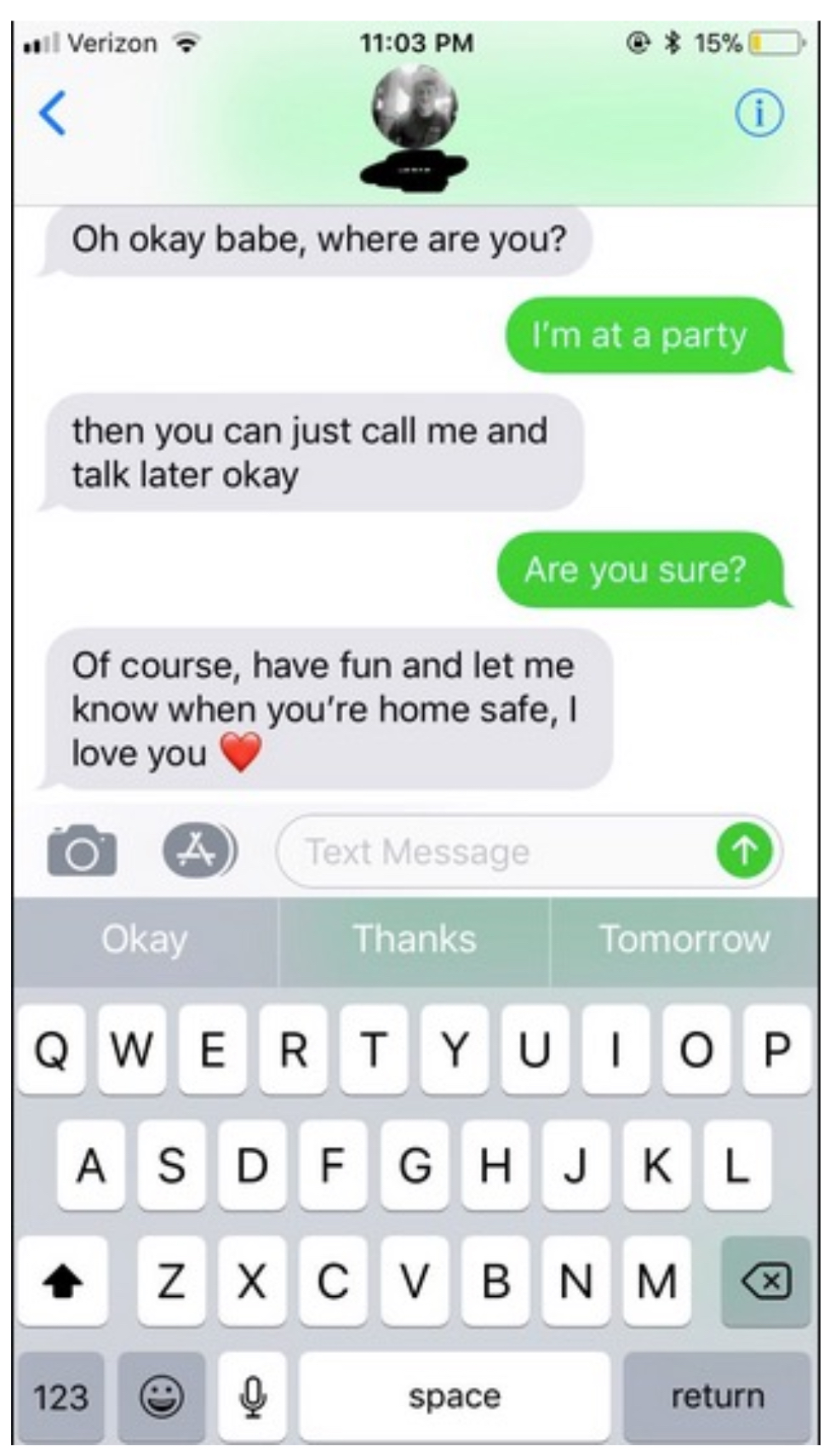
Writing exercises can enhance health literacy in your classroom. One of my students’ favorites is a SILENT DISCUSSION activity. Each participant receives a text message handout. All students receive a prompt, and everyone writes for a designated time. Following this, they exchange papers, and individuals respond in writing to their partner’s thoughts. An example of our silent discussion activity involves sharing text messages to recognize signs of healthy and unhealthy communication.
To put this into practice, we employ a vocabulary-building approach. Here are the instructions: Within your group, each member receives their own set of text messages. You have one minute to review the texts and identify signs of healthy or unhealthy behaviors. You may underline, circle, use arrows, write sentences, or create bullet points to express your thoughts on the text thread. What insights can you infer from it? For instance, you might express, “I have a gut feeling that something is not right here…” After one minute, pass the text to the next person in your group and engage in a conversation as if responding to the previous person’s input—add to it, agree or disagree, and explain your reasoning. Repeat this process multiple times. (You can access the text messages for the silent discussion activity via the provided link.)
Here are some other writing ideas:
- Follow up Silent Discussion – use as a formative assessment on own.
- I am…but I am not – another storytelling assignment. It will work best with older students as it can lead to a vulnerable activity.
- Brain Dumps (journal writing). Give students prompts to “dump” their thoughts and not worry about how they are saying, just what they are saying.
Practice writing effective communication when it comes to decision-making.
THINKING
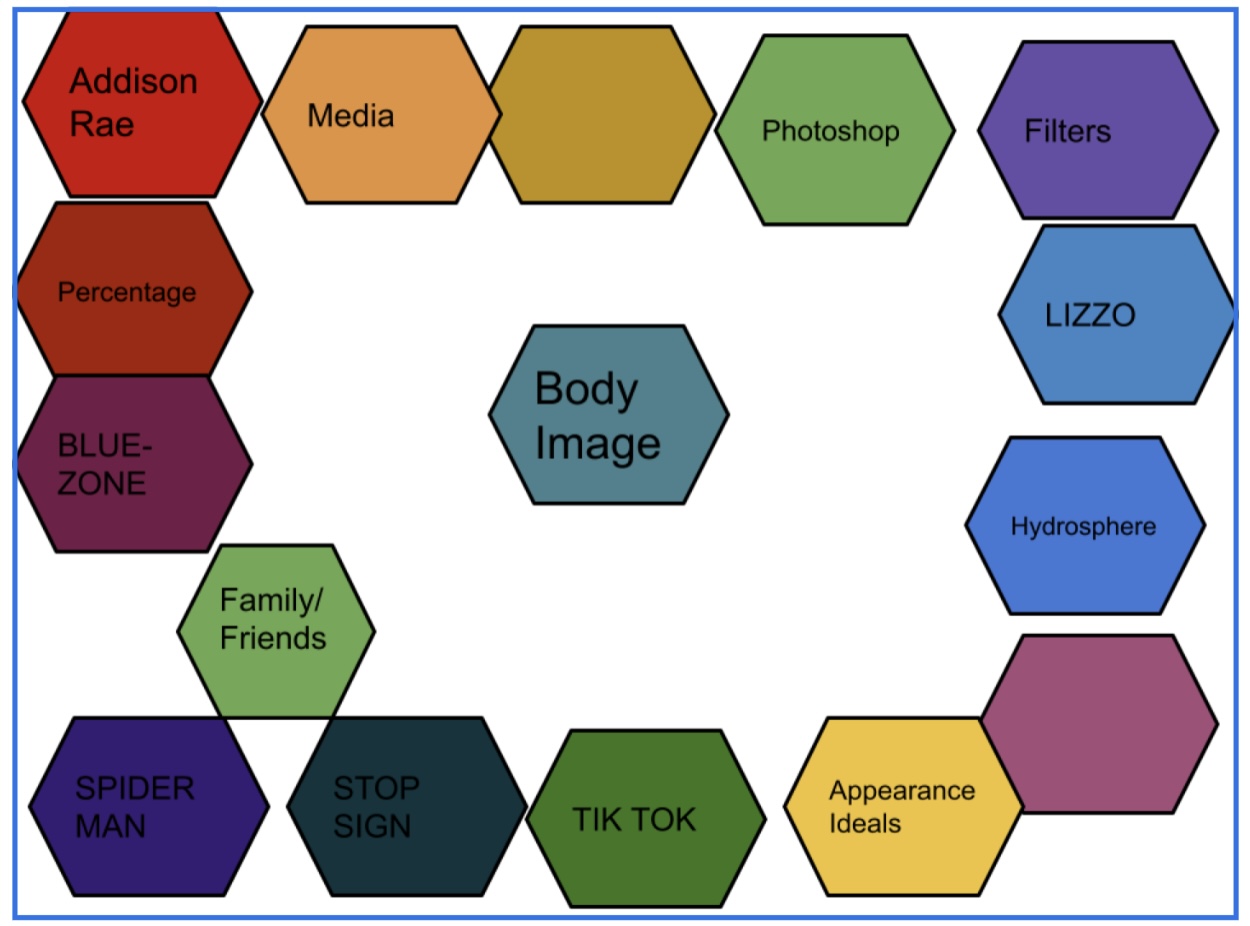
Thinking in disciplinary literacy within health education means gaining a solid grasp of health concepts, carefully evaluating information, making intelligent choices about health, solving health problems, communicating well, thinking ethically, and understanding different cultures. These skills are crucial in disseminating knowledge, promoting health literacy, and facilitating informed decision-making for individuals and communities. ( I’ve integrated an approach into my classroom to foster critical thinking: HEXAGONAL THINKING. I was inspired by one of our exceptional science teachers who introduced me to this method, and I eagerly embraced it. Hexagonal thinking has proven effective when teaching students how to analyze various influences. Topics we’ve explored include “what causes disruptions in class” and factors impacting body image, self-concept, and self-esteem. Here’s an example of how I implemented it in my classroom. Feel free to adapt and customize it to suit your teaching objectives!
SPEAKING
Speaking in disciplinary literacy for health education involves the ability to effectively communicate health-related information, ideas, and concepts verbally in a variety of contexts. This includes presentations, discussions, and advocacy. Overall, it is essential to effectively communicate health information, promote health literacy, and empower individuals and communities to make informed decisions about their health.
Here’s how we tackle this aspect of Digital Literacy:
- Pose questions
- Foster discussions
- Utilize print media to convey messages
- Engage in interpersonal communication (both verbal and non-verbal, addressing conflicts)
- Advocate for and seek assistance
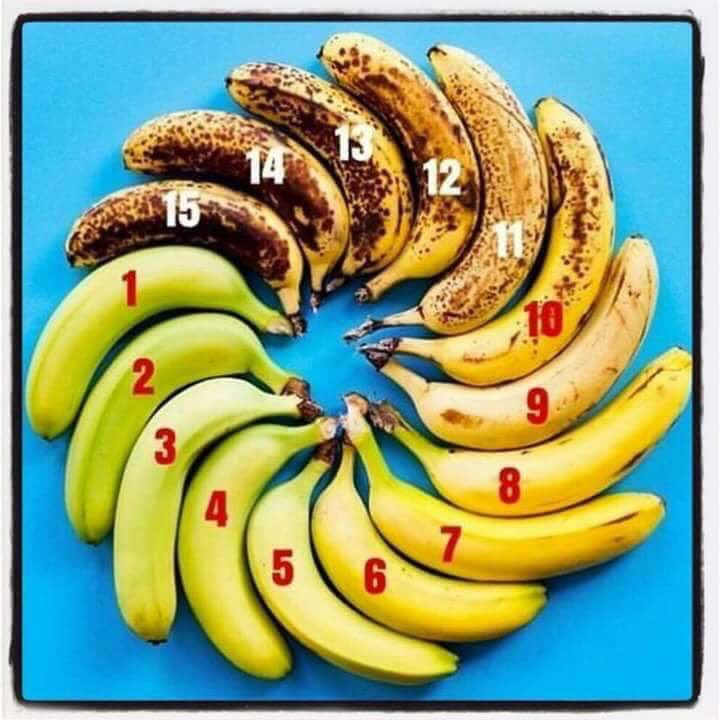
If you haven’t already, it’s time to tune into First Five Daily! They offer engaging discussion topics daily, along with many other fantastic ideas. Remember, perspective is essential; everyone’s viewpoint is valuable, regardless of differences in perception.
DOING/INQUIRY
Doing/inquiry in disciplinary literacy in health education means actively exploring and investigating health topics. It includes researching, collecting, and studying data and using evidence to answer questions or solve health-related problems.
One effective strategy to integrate into your Health classroom is using RAFT assignments. RAFT stands for Role, Audience, Format, and Topic. In an RAFT assignment, students are assigned a specific Role to assume, an Audience to address, a chosen Format for their writing (such as a letter, speech, or diary entry), and a Topic to explore. This approach fosters creativity and prompts students to consider multiple perspectives as they complete their writing tasks. You have the flexibility to tailor the Format to suit your needs.
Here are three ideas for utilizing RAFT assignments:
- Explore Dimensions of Wellness
- Address Substance Use Disorder (SUD) and discrimination/appearance ideals, drawing inspiration from Cairn Guidance/Dove lessons.
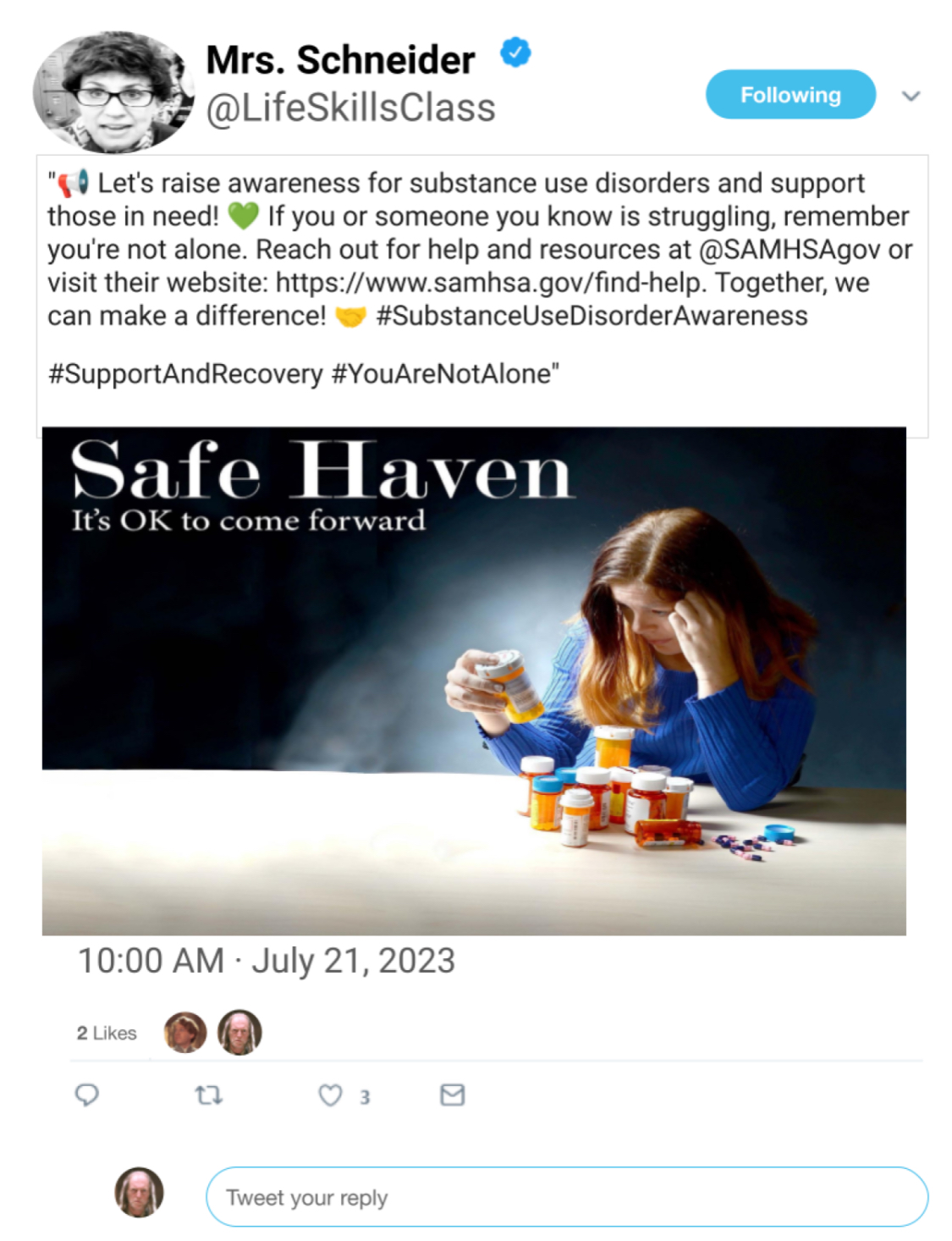
- Engage students in discussions about discrimination by dividing them into groups to examine different discrimination stories. They can then raise awareness through platforms like Twitter by creating concise “chirps” (250 characters or less) to educate their classmates about their chosen case.
Below is a template you can use and adapt to suit your classroom needs. The image provided is an example of advocating awareness for substance use disorder. Students follow scenarios depicting characters’ experiences with SUD. Before this activity, students practice decision-making skills, analyze influences, and develop effective communication strategies. It’s a testament to the effectiveness of health skills in action!
WRAP UP
Disciplinary literacy in health education encompasses a multifaceted approach to promoting individual and community well-being. Our standards for literacy extend beyond mere reading and writing; they encompass the essential skills of decision-making, analyzing influences, communicating effectively, advocating, goal setting, comprehension, accessing valid information, and practicing health behaviors. By equipping individuals with these skills, we empower them to navigate the complexities of health information, make informed decisions, and advocate for their health and the health of others. By fostering disciplinary literacy in health education, we promote a deeper understanding of health concepts and cultivate a generation of informed and empowered individuals capable of actively contributing to positive health outcomes in society.
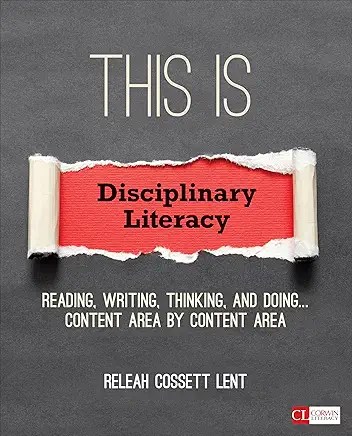
If you want to explore disciplinary literacy more deeply, I encourage you to purchase ReLeah Lent’s first book:
Maria Schneider has taught for the past 28 years in the Brecksville-Broadview Hts. City School District. Currently, she teaches Health Education and Life Skills at their middle school. She is the 2019 OHIO Health Teacher of the Year, 2021 SHAPE America Midwest Health TOY, Fuel UP program advisor, and BBH head gymnastics coach.To contact her, schneiderm@bbhcsd.org. Follow her on Instagram or X @marstar21.
References:
Shape America (2024)
Scholastic Choices (2024)
This is Disciplinary Literacy. Releah Cross Lent (2016)
OpenAI. (2024). ChatGPT 3.5 (Apr 26 version) [Large language model]
If you like this blog post you might also like the following #slowchathealth blog posts:
Implementing Social Justice Biblioguidance in the High School Classroom by Sarah Gershon & Dr. Jennifer Banas
Health Class + Fiction = A Perfect Match by Lindsay Armbruster
A Poem About Stories by Amy Dawson
Slowchathealth Books of the Month

 #slowchathealth
Pingback: Make it Stick in the Health Education Classroom – #slowchathealth