
Regular readers of this site will know that I have been exploring all things #MeaningfulPE in physical education classes with my junior and senior students.
This semester, my students have viewed a series of short video reflections from educators nationwide. These personal ‘movement journey’ narratives aim to inspire my students and expose them to diverse experiences.
Once students view the 3-4 minute videos, they answer a series of prompts, each encouraging them to identify connections between the educator’s story and their own.
My aim with this (ongoing) project* is to help students appreciate diverse experiences and understand that we all have a unique relationship with movement. I hope to prepare students for a lifelong love of movement by helping them realize that how we move, where we move, and how often we move can provide us with many different benefits.
Five weeks into this project, and knowing that I was about to lose many Spring sports athletes – our junior and senior student-athletes are exempt from physical education for their competitive season – I called an audible. I asked students to interview a significant adult about their movement journey. This blog post reveals the advice that parents want to pass on to teenagers so that they can harness the many benefits of living an active life.
While I provided this series of potential interview prompts, I only asked students to reflect and write about question 11.
1. Early Memories:
- Can you share some memories from your childhood regarding physical activities or movement? What were your favorite activities, and do you have any memorable experiences related to movement during that time?
2. Influence of Family and Friends:
- How did your family or friends influence your attitudes toward physical activity when you were younger? Were there any specific activities you engaged in as a family or with friends?
3. High School and Teen Years:
- What physical activities or sports did you participate in during high school or your teenage years? What motivated you to be active during this period?
4. Life Transitions and Movement:
- Have significant life transitions or milestones impacted your approach to physical activity? How did your movement patterns change during significant life events, such as starting a career, becoming a parent, or dealing with health challenges?
5. Motivations for Movement:
- What motivates you to stay active and engaged in physical activities now? Are specific goals or benefits, such as health, social connections, or personal enjoyment, keeping you moving?
6. Adaptability and Trying New Things:
- Have your preferences for types of physical activities changed over time? Are you open to trying new forms of movement, and how do you think adaptability has contributed to your overall well-being?
7. Balancing Responsibilities:
- How do you balance the demands of work, family, and other responsibilities with maintaining an active lifestyle? Have you developed specific strategies or routines to ensure regular physical activity?
8. Favorite Ways to Move:
- What are your current favorite ways to move or stay active? Are there specific activities that bring you joy or a sense of accomplishment?
9. Community and Social Connections:
- Do you engage in physical activities within a community or social context? How do social connections contribute to your motivation for movement?
10. Reflection on the Journey:
- Looking back on your movement journey, are there any lessons or insights you’ve gained about staying active? How has your perspective on movement evolved over the years?
11. Advice for the Next Generation:
- Based on your experiences, what advice would you give to younger individuals, including me, about the role of movement in maintaining a healthy and fulfilling life?
I was excited to receive student submissions, and the added motivation of knowing that I would only approve student-athlete exemptions once they had submitted them meant that I received those assignment responses the quickest!
I know my students are amazing, and the parent interview responses confirmed that their families are amazing too. As a passionate physical educator, the insights shared by the students’ parents evoked feelings of validation, inspiration, and reaffirmation of my goals. Their advice reinforced the importance of my role in instilling a love for movement and physical activity in their teens.
Here is a summary of the parent insights, along with parent quotes (I know my students will enjoy seeing their quotes highlighted).
Find joy in movement for both physical and mental well-being.
“Find joy in the movement you do and continue to move throughout your life.” – B.S
I love that parents value joy in movement and see beyond just the ‘physical’. Many parents shared that regular movement kept them feeling healthy, and wanted their teen to appreciate the mental health benefits that come from regular movement. With post-high school life just around the corner for my students, many have reflected upon how they might find joy in movement once their high school sports career has ended, or when scheduled physical education is no longer part of their lives. Already some of my students are considering exploring new ways to move in college.
Explore various activities to discover what you enjoy.
“Movement is a really diverse thing, there’s so many different ways in which you can find movement.” – G.R
Many parents shared how their movement of choice has changed as they aged. Paddle tennis is popular in my community and many parents talked of their passion for a new sport, and the people with whom they played. One mom advised “pick sports you can play even when you get old,“underscoring the need to explore activities that can be enjoyed across different life stages. Another parent stressed the simplicity of movement, suggesting that activities as simple as a walk or bike ride can be beneficial, urging teens to explore the outdoors and find joy in movement.
“Move outside as much as possible because it is good to get fresh air and not lock yourself inside all day.” – T.S
Consistency in staying active throughout life is crucial.
“Keep moving because once you sit down it gets harder and harder!” – C.L
One mom emphasized the importance of ‘finding something you enjoy and stick with it,‘ underscoring the benefits of making movement a regular part of one’s life. Nearly every parent mentioned that it was important for their teen to move regularly, and that this would be easier if the activity was enjoyable.
“I’ve seen several men my age struggle with weight and heart issues because they weren’t incorporating exercise into their daily lives.” – K.M
It’s easier to stay in shape by engaging in activities you love.
“Find what you love to do and keep doing it!” – C.L
The link between enjoyment, and regular movement was evident in many parent responses. A.T’s mother emphasized the positive impact of daily movement on mental health, urging teens to ‘find an exercise you find joy in‘ as a way to maintain consistency and overall well-being.
Choose sports or activities that can be enjoyed across different life stages.
“The advice my mom would give to younger individuals about the role of movement in maintaining a healthy and fulfilling life is picking sports you can play even when you get old.” – J.N
J.N’s mom went on to suggest activities such as tennis, paddle, golf, and swimming. P.R’s mom added hiking, and C.L’s mom championed the benefits of outdoor activities. There was a strong parental desire for teens to explore activities that not only promote physical health but also offer enjoyment and connection with nature throughout life.
Social aspects of movement are important for motivation and balance.
“Find something you love, for me it’s paddle tennis, and find people to do it with you.” – P.R
In previous reflections, my students have shared the role of friends in their initial selection of sports and activities. As those sports became ‘more serious’, an affinity towards team mates, and the joy of moving with others was appreciated. Students have also regularly reflected fondly on movement experiences with family members. C.R’s mother expressed missing the camaraderie of being on a team, highlighting her desire for teens to experience the motivation and sense of community that comes with participating in group activities, and A.T’s mother emphasized the benefits of exercising with others, noting how it ‘creates a good regular habit‘.
“I hold so many great friendships and memories that involve movement.” – K.M
Regrets about not maintaining habits earlier in life, urging children to cherish youth’s vitality.
“Her hope for me is that I will keep with the good, healthy habits I have now as I age into adulthood.” – C.R
I got the sense that reflecting on their personal movement journey was a powerful exercise for some parents. There was an awareness of the importance of developing a love of movement during youth that put their teen in a good position for later life. Parents shared their regrets about not maintaining habits earlier in life, with one wishing to ‘go back and make better training habits‘ to carry into adulthood. One mom, a health coach, emphasized the long-term benefits of movement, urging teens to maintain healthy habits from a young age to avoid regrets and ensure a vibrant and active future.
“Healthy movement every day (preferably outside) creates more stable mental health, as well as physical health.” – A.P
Parents’ emphasis on finding joy in movement, exploring diverse activities, and maintaining consistency aligns closely with the goals I have for their teens. Knowing that parents recognize the benefits of staying active throughout life, embracing social aspects of movement, and nurturing enduring healthy habits affirms that my efforts are making a significant impact. Their advice serves as a powerful reminder of the lifelong impact physical education can have, motivating me to continue fostering a positive relationship between students and movement. As a teacher who ‘plays the long game’, I’m inspired to continue guiding my students on their movement journey.
“You only get one body so you better take care of it.” – L.B
*Expect a future blog post on my movement journey video project.
This blog post is part of my ongoing pursuit of making PE more meaningful for my students. If you liked this post then you’ll also like the following:
Teaching Physical Education with Purpose: Embracing the Meaningful PE Approach by Andy Milne
Back Pocket Questions: Your Secret Weapon for a More Meaningful PE Class by Andy Milne
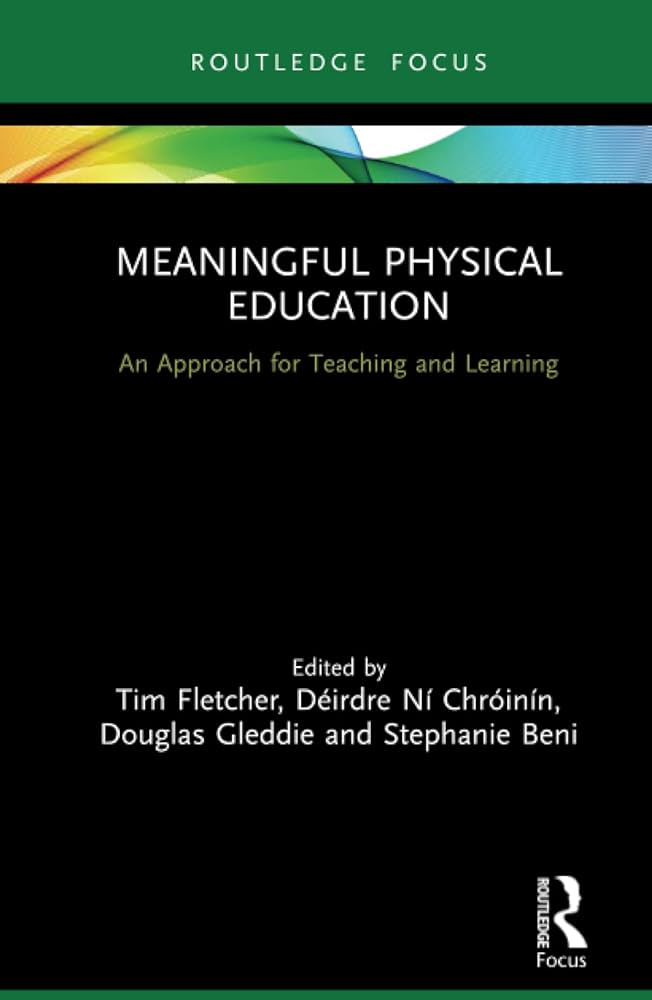
Buy the book! Meaningful Physical Education by Tim Fletcher, Déirdre Ní Chróinín, Doug Gleddie, and Stephanie Benni
 #slowchathealth
Pingback: Walking with Purpose: Using Empathy Walks – #slowchathealth
Pingback: Empowering Students: How I Led a PE Class Without Giving Instructions – #slowchathealth
Pingback: Making Time for Engagement and Joy – #slowchathealth