One constant during my 29 years of teaching is that the break from school at the end of the calendar year – winter for me and summer for my Southern Hemisphere friends – comes at just the right time. Leaving for school in the dark, arriving home in the dark, the end of a long semester of teaching (and the behavior of a few students) all have me yearning for a few weeks at home with family, seasonal fun, and the opportunity to reflect on the 12 months that came before me.
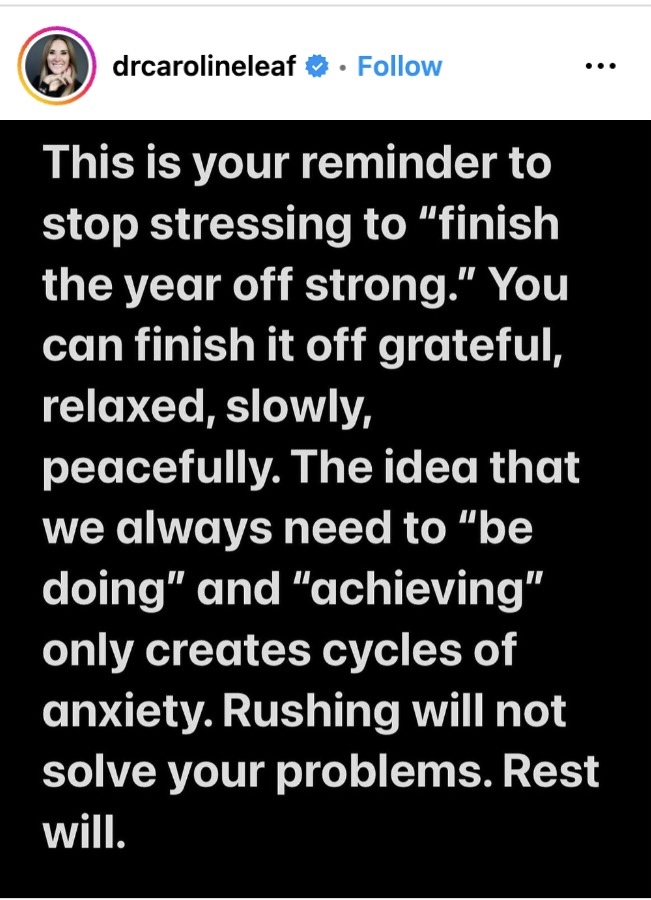
Before the pandemic, my message at this time of year would have been “Let’s finish strong,” “Push on through,” or “Crush those final few weeks,” …each message erring a little too close to toxic positivity. Now, my message is more contemplative, authentic, and nuanced; it’s more emotionally inclusive, and these two social posts resonate strongly with me:
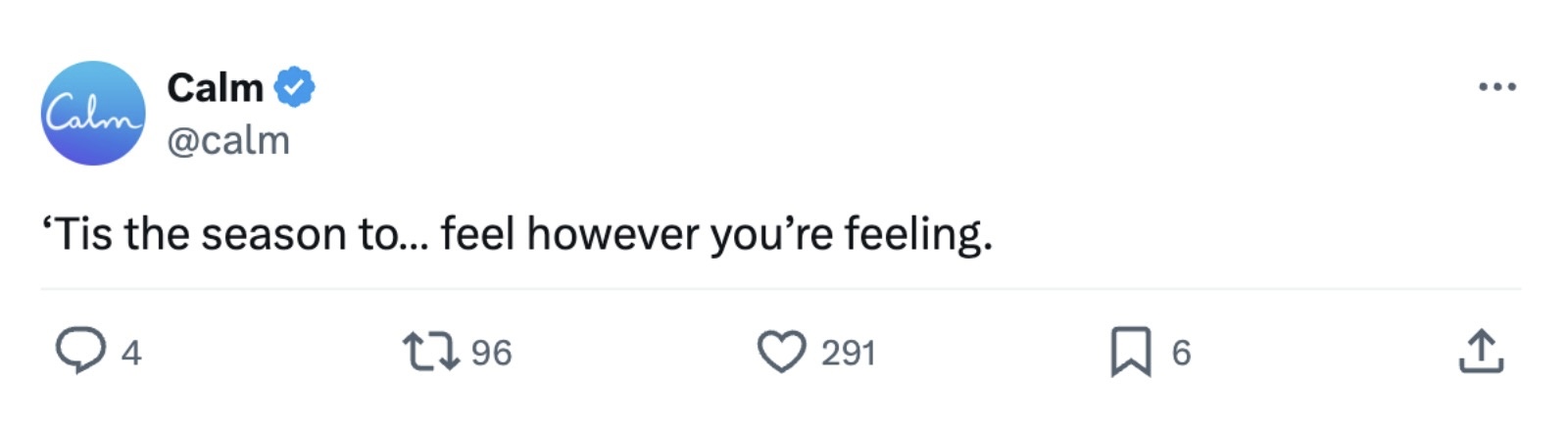
We all have different emotional responses based on our circumstances, challenges, and joys. There is no “right” or “wrong” way to feel right now, but this time of year encourages us to be self-aware and acknowledge our emotions. Accepting and acknowledging our feelings contributes to our emotional growth and well-being.
I also appreciate this post from Dr. Caroline Leaf. Her message encourages a more balanced and mindful approach to the end of the year, rejecting the pressure to constantly achieve and advocating for a mindset that prioritizes gratitude, relaxation, and intentional pacing. A younger me felt that success was solely measured by continuous striving and accomplishment. Now, I appreciate that constantly being in a state of productivity can contribute to anxiety and stress, and that rest is not just a break from work but an essential element in problem-solving and maintaining mental and emotional health.
As I reflect on the past 12 months, I’ve found the following 10 prompts incredibly helpful. Last year I provided in depth personal answers to each prompt, but this time, rather than share my personal answers, I’ll explain why each question is so effective for fostering reflection, connection, and planning for the year ahead.

1. If you had to describe the past year in one word, what would you choose? What events made you choose that word? This prompt is simple yet powerful. Distilling an entire year into one word challenges us to reflect on overarching themes and highlights the events that defined our experiences. It sets the tone for introspection and lays the groundwork for deeper analysis in later prompts. My annual #OneWord blog post is ALWAYS popular, and is an activity that can easily be done with students too. I’m already thinking about my #OneWord for 2025 and am currently leaning towards ‘Balance’.
2. What were your achievements from the past year that made you most proud? This question celebrates success and fosters gratitude. Reflecting on achievements, big or small, helps to build confidence and remind us of our growth. This type of reflection is also the perfect antidote for when you are experiencing imposter syndrome, plus it’s also a good way to identify what brought us joy or fulfillment—a theme we’ll revisit later. I’m very proud of this recent achievement.
3. Which events from the past year proved to be most challenging? How did you deal with them? Acknowledging challenges is essential for learning and growth. This prompt encourages self-awareness and resilience by focusing not just on obstacles but on how we responded. It often links back to achievements, as overcoming difficulties can be among our proudest moments.
4. In what ways did your life move closer toward the life for which you aim? This question invites us to consider progress—personally, professionally, or both. It’s a reminder that even small steps count, and it aligns with earlier prompts about challenges and achievements. Together, these reflections can reveal patterns and areas for continued growth. Life is a journey and I’m confident that I’m closer to becoming the person I want to be, and I look forward to many more years of self-improvement.
5. What brought you joy this past year? This prompt shifts focus to the positive, emphasizing the importance of joy in our lives. It’s often connected to achievements and progress, reinforcing the value of celebrating even the smallest moments of happiness. In November I selected THE BOOK OF (MORE) DELIGHTS by Ross Gay as the #slowchathealth Book of the Month. This collection of short, joyful essays, written daily over a year, reminds me that joy is all around us.
6. Who made the biggest impact on your life this past year, and how did they inspire or support you? This prompt highlights the importance of reflecting on relationships and the support systems in our lives. Recognizing these connections fosters gratitude and often reveals the depth of their impact. I regularly acknowledge family, friends, and educators who inspire me and continue to play a positive role in my journey.
7. What caused you most stress, and how did you cope with stressors?
This question encourages us to evaluate our stressors and assess the strategies we used to handle them. Understanding how we managed stress helps identify areas of personal resilience and areas for improvement in coping strategies. I wonder if my interest in choosing ‘balance’ as my #OneWord for next year is as a result of me attributing much of my stress to a perceived lack of time and constantly feeling over-scheduled.
8. How active were you during the past year? Were you as active as you planned to be?
This prompt offers a chance to reflect on physical activity and its connection to overall well-being, encouraging an evaluation of priorities and intentions. This question is about recognizing opportunities missed or experiences that could have been prioritized. It provides insight into where you want to direct your energy in the future. Despite my love of all things Peloton, I know that I can be more active next year.
9. In what ways did you positively impact those around you?
This question encourages reflection on the ways you contributed to the lives of others. Recognizing how you’ve supported, inspired, or uplifted those around you fosters a sense of purpose and reinforces the value of meaningful connections. I’m more aware now than ever before of my impact on those around me (and I’m thankful for the inclusion of ‘self and others‘ in the new SHAPE America National Health Standards).
10. What would you change from last year if you were handed a re-do?
This prompt allows for honest self-assessment and invites thoughtful reflection on decisions or actions that didn’t turn out as planned. It provides a chance to learn from the past and consider how to approach similar situations differently in the future. I typically live life without regrets, but am aware of my shortcomings and changes that I need to embrace in order to live life to the fullest.
These prompts have served as a reflective anchor for me, and I hope they inspire you to take stock of your year and plan for the next. Reflection is not just about looking back; it’s about using what we’ve learned to move forward intentionally. Whether you’re looking forward to a well-deserved break or facing the season with mixed emotions, you are part of a global community of educators making a lasting impact, and for that, I am thankful. Here’s to a mindful and meaningful year ahead!
Last year I created a tongue-in-cheek gift guide for teachers. The suggestions are still great, and the links (including discount codes) are still valid.
If you’re looking for additional resources, the Calm blog just shared their updated Holiday Journal, a mix of practical mindfulness tips and contemplation prompts to cultivate more peace and joy.
Here are some end of year recommendations for you:
My Book of the Year was This Is So Awkward by Dr. Cara Natterson, and Vanessa Kroll Bennett.
My favorite podcast to guest on was the Pizza and PE Podcast.
My soundtrack to 2024 (all of the songs that caught my ear this year).
Now that you have read this post, here are five questions for you to consider. I’ll push these out on social media – slowchat style:
Q1. How often do you set aside time to reflect on your experiences? What do you gain from these moments? #slowchathealth
Q2. What advice would you give someone who struggles to make time for reflection? #slowchathealth
Q3. Was there a moment this year when you felt especially connected to your purpose as an educator? What made it stand out? #slowchathealth
Q4. If you could thank one person for their influence on your year, who would it be and why? #slowchathealth
Q5. Looking ahead to next year, what is one habit or mindset you’d like to carry forward from this year? #slowchathealth
 #slowchathealth
Pingback: The Power of One Word: A Simpler Way to Start the Year – #slowchathealth