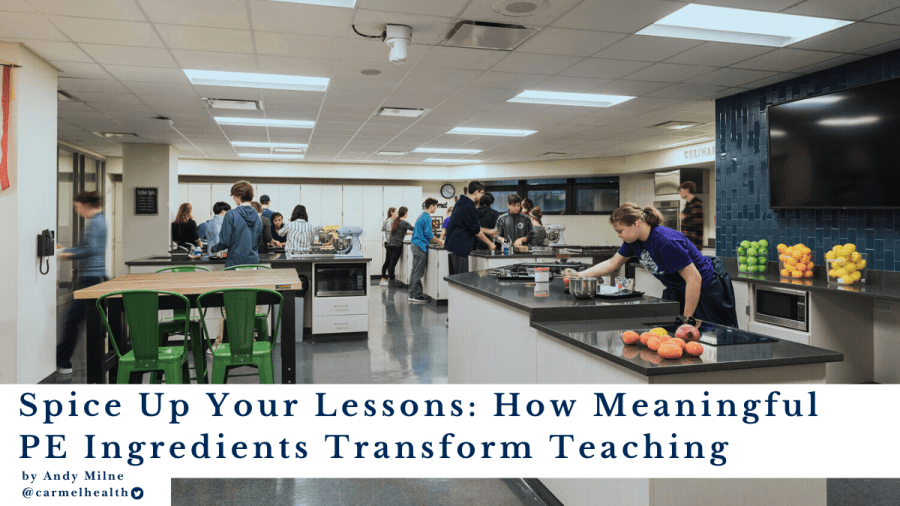
Have you ever cooked a meal that was fine but lacked that spark? It got the job done but wasn’t exciting or memorable. Teaching can feel the same way. Sure, you can throw together a lesson on the fly, and it might cover the basics. But if you really want to engage your students, you’ve got to be intentional, like a chef crafting the perfect dish. In physical education, the features of Meaningful PE are the special ingredients that take a lesson from bland to brilliant. With the right mix of social interaction, challenge, fun, motor competence, personal relevance, and delight, you can create a learning experience that not only meets your students’ needs but also leaves them wanting more.
The Basic Ingredients: Skills and Knowledge
In both cooking and teaching, everything starts with the basics. In PE, this means teaching fundamental skills and knowledge—whether it’s fitness principles, motor skills, or teamwork. These are the staples, like your proteins, grains, and vegetables.
But just like a meal can’t thrive on raw ingredients alone, a lesson needs more than just the basics. Without a little flavor, even the most nutritious ingredients fall flat.
Spicing It Up with the Features of Meaningful PE
Just as you would never serve a meal without seasoning, a well-rounded PE lesson needs the right mix of features to engage students fully. As someone who loves to cook, and also loves to teach, I believe I’m qualified to share my recipe for a Meaningful PE lesson:
- Social Interaction – This is like adding garlic to your dish—it’s a foundation of flavor that brings everything together. Social interaction is vital for learning in PE, allowing students to collaborate, communicate, and support one another. Whether it’s through team sports, group activities, or partner work, social interaction adds a richness that helps students learn from and with each other.
- Challenge – Challenge is your spice. It’s the heat, like a dash of chili flakes, that keeps things exciting. When you introduce an appropriate level of challenge, students are motivated to push their limits and achieve new goals. Just like in cooking (my sons love spice, but my English palette doesn’t), the trick is balance—not too much challenge, or students may feel overwhelmed, but just enough to keep them engaged and growing.
- Fun – Fun is like salt—essential in just the right amount. Too little, and your lesson feels bland; too much, and it can become chaotic. Fun is what keeps students interested and engaged. Games, friendly competition, or even a creative approach to skills practice can add just the right amount of flavor to keep things enjoyable.
- Motor Competence – This is the quality of the ingredients themselves. Just like how you want fresh, high-quality produce or meat to build a solid dish, in PE, motor competence is foundational. Helping students develop and refine their motor skills ensures they can move effectively and confidently. It’s the substance of your lesson, giving students the tools they need to succeed physically.
- Personally Relevant Learning – Think of this as your secret sauce, the special ingredient that tailors the dish to the taste of your audience. When students see how a lesson relates to their own lives—whether it’s a fitness activity they can continue outside of class, or a skill that connects to their personal goals—they’re more invested. Just as a dish made with their favorite ingredients feels more satisfying, students are more engaged when the lesson resonates with their interests or aspirations.
- Delight as Umami: The Elusive, Yet Essential Element
“Delight” can be one of the trickiest features of Meaningful PE to intentionally build into lessons. It’s not as straightforward as fun or challenge, and sometimes it appears unexpectedly. In cooking, there’s a similar sensation known as umami—the fifth taste that’s not quite salty, sweet, sour, or bitter but adds depth and satisfaction to food. You can’t always identify it right away, but when it’s there, you know.
In PE, delight is like umami—often hard to define but has the ability to help create a memorable experience. It’s the unexpected joy that emerges when a student accomplishes something they didn’t think they could do, or when they experience a moment of pure enjoyment from movement. It’s that “aha!” moment when everything clicks. Just as umami rounds out a dish, delight adds that extra layer to your lesson that keeps students engaged long after the class ends.
How to Cook with Umami (Or, How to Bring Delight into Your Lessons)
Just like you can’t rely on umami alone to make a dish, delight in a PE lesson often comes as the result of the right combination of other elements—fun, challenge, social interaction, and personal relevance. When students are immersed in these ingredients, delight has a way of bubbling up naturally. Just like you might add a sprinkle of parmesan or a splash of soy sauce to boost umami, you can find small ways to enhance delight in your lessons by encouraging exploration, surprise, and moments of pure, unstructured enjoyment.
Avoiding the Bland Recipe: The ‘Rolling Out the Ball’ Equivalent
Just as a meal without seasoning is dull, relying on the “rolling out the ball” approach in PE is like serving junk food. Sure, it’s quick and easy, but it lacks the nutrients—both physical and intellectual—that students need to thrive.
Junk food might fill you up temporarily, but it doesn’t sustain you. Likewise, rolling out the ball may keep students busy, but it doesn’t lead to meaningful learning or growth. Over time, it leaves everyone feeling unsatisfied, and students miss out on the rich experience that a well-planned lesson can provide.
Finding the Right Balance: Just Like Cooking, It’s an Art
Just as a chef knows the right balance of ingredients for each dish, a great teacher strives to blend the features of Meaningful PE to suit their students’ needs. Sometimes my lessons focus more on social interaction and fun, while others might emphasize challenge and motor competence. The key is to adjust your recipe depending on the day, the lesson, and the unique mix of students in your class.
Just as you wouldn’t serve the same dish every night, you shouldn’t teach the same lesson over and over. Variety is key to keeping things fresh and engaging.
Serve Up Something Special
Like a carefully prepared meal, a thoughtfully planned lesson can leave a lasting impact. When you add the right balance of Meaningful PE features—like social interaction, challenge, fun, motor competence, personal relevance, and delight—you’re creating a learning experience that’s not only effective but also deeply engaging.
Your students deserve more than the teaching equivalent of fast food. Take the time to spice up your lessons, add those meaningful ingredients, and serve something that truly nourishes their minds and bodies.
I wasn’t joking when I said I love to cook, almost as much as I love to teach. Here are some other blog posts you’ll love to read:
3 Foodie Books to Read by Andy Milne
Cookbooks Exploration by Sarah Gietschier-Hartman
The Joy of Eating by Nadia Moya
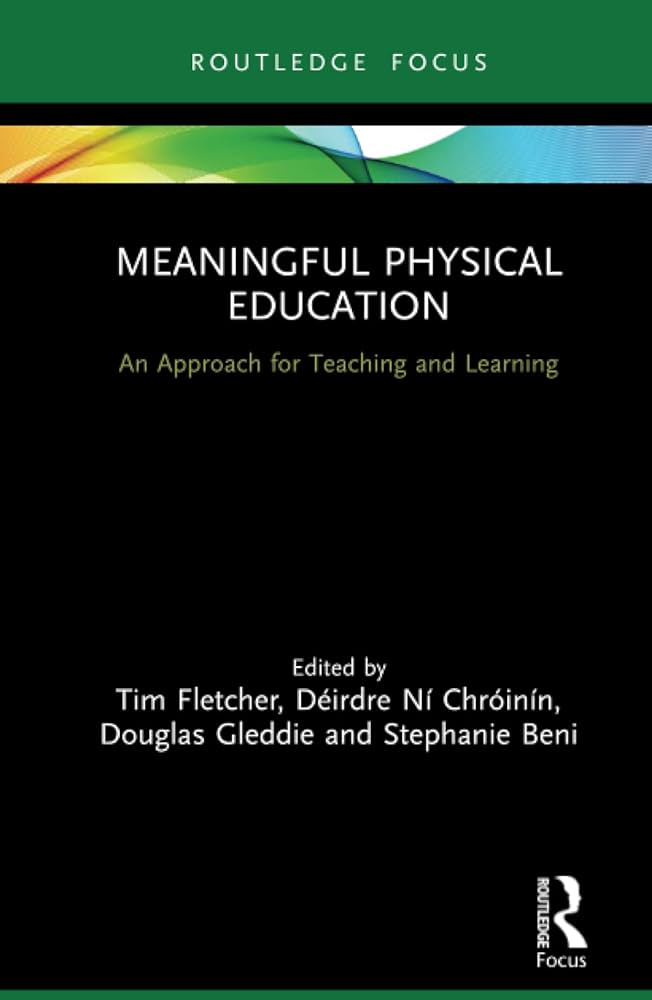
Buy the book! Meaningful Physical Education by Tim Fletcher, Déirdre Ní Chróinín, Doug Gleddie, and Stephanie Benni
Check out this Spotify playlist of podcast episodes discussing Meaningful PE, which includes the latest podcast project from Doug Gleddie and Ty Riddick (look out for a future episode featuring me and the wonderful Megaera Regan!)
 #slowchathealth