
Exit tickets have proven to be a vital tool to create meaningful PE. They enable student voice and for students to have a greater connection with PE as they are helping to shape the direction the learning will take.
What is an exit ticket?
Exit tickets are given to students to give their feedback or answer a question relating to a concept in PE. They can be done at any time during the lesson, but as the name suggests they are best to be completed at the end of the lesson. You can let the students know what the exit ticket is going to be at the beginning of the lesson to give them some thinking time
Different types of exit ticket.
Exit tickets can take many forms, such as:-
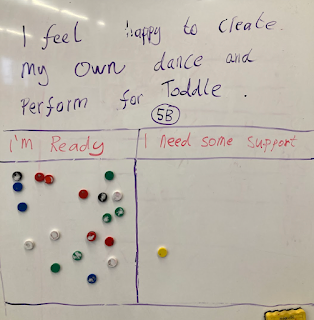
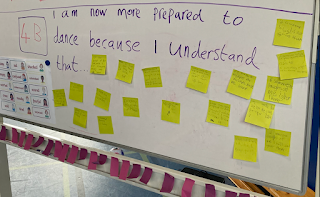
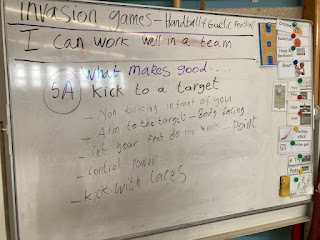
Inclusive.
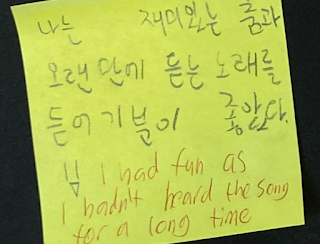
All students should be given the opportunity to have their voice heard regardless of language or educational ability. Exit tickets are inclusive and with the many translation apps students can write in their home language and the teacher can easily translate it. There is also a chance that there is another student who is able to help with translation.
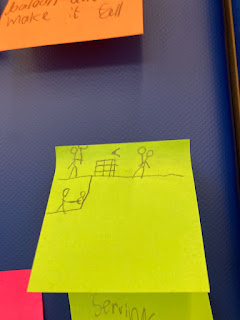
If a student is more comfortable they can verbally tell you or draw a picture to communicate their views. Here is an example from the question of ‘What would you like to do in a net and wall games unit’? The student drew badminton and wall ball.
The most important part of the exit ticket is acting on the feedback that you have been given. Students need to feel that they are being listened to and while teachers might not choose to fully go down the path that student voice would take them, they were heard. Also if students voted to do something, refer back to it to show that this was them choosing the course of action.
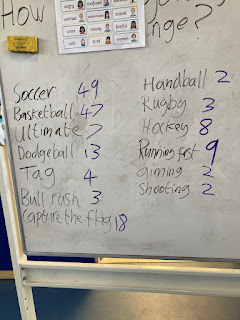
Taking the time to collect and collate the feedback demonstrates to the students how serious teachers take their views. Showing the amounts of votes, regardless of the outcome, helps show transparency. It is also important to include all of the views even if one student said them so the students see that all views are valued.

When beginning a unit it is vital to give students the opportunity to say what they would like to do. So the first lesson of the unit, ask them in an exit ticket to share their views. This will give a direct way to drive the learning forward in their direction. As a teacher you will have an idea of what you want to do based on your knowledge, availability of space, the equipment you have and even the weather.
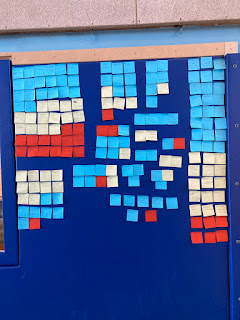
Getting the student’s opinion on this will help to make a more meaningful experience for them. As mentioned before, sharing the results is key. Here is an example from the first lesson in an invasion games unit. The exit tickets were grouped and displayed for a week after, the groupings were counted up and shared with the students.
This microblog post was a featured post in #slowchathealth’s #microblogmonth event. You can search for all of the featured posts here. Please do follow each of the outstanding contributors on social media (including Rhys Meredith, the author of this post) and consider writing a microblog post of your own to be shared with the global audience of slowchathealth.com
Pair this blog post with the following:
Putting Content into Context in PE by Flynn Powell
How to Facilitate Deeper Connections to Physical Activity by Jordan Manley
Meeting Them (Almost) Where They’re At by Michelle Ireland
Have you read the latest Book of the Month recommendation?
 #slowchathealth
Pingback: Student Agency and Inclusion in Net and Wall Games – #slowchathealth