
Teaching health education is and should be 100% relevant to students’ lives, and when health education is delivered in a thoughtful manner, the information and skills students gain will probably be used every day. Moreover, the mode, tone, inflection, and environment delivered by the health educator is just as important!
Imagine being a middle school student learning about nutrient-dense foods and the teacher says, “Make sure all the fruits and vegetables you eat are fresh, because frozen and canned fruits and vegetables just are not as healthy.” Yet, the only access to fruits and vegetables at home is canned since your family is only able to get to a grocery store every two weeks and anything fresh is typically eaten within the first few days. Imagine if your teacher focuses on abstinence-only instruction during a high school health education class, but you and a few of your peers have been sexually active. How do you learn about protecting yourself from unintended pregnancy and STIs? Lastly, imagine that you are an elementary student, and your teacher only reads books about families with a mom and a dad, however, you live with a foster family or relatives such as your grandmother and aunt?
Being an educator is multifaceted and requires awareness and reflection! Here at Cairn Guidance, we created a Culturally Responsive Checklist specific to health education with categories including the learning environment, instructional strategies materials & resources, assessment, and communication and engagement with students and families. This resource is meant to be a reflective checklist or self-assessment for educators to learn and grow, ensuring their classroom is a place where students feel included and supported regardless of their personal environment, abilities, or beliefs. Health education instruction should not intentionally or unintentionally shame student lifestyles, their environments at home, nor the access they have (or do not) to resources, food, shelter, clothing, and much more. Self-awareness of teaching practices is the first step for fostering a culturally responsive classroom… one that will allow students to thrive in your health education classroom! To start your reflection and journey of self-awareness, check out our Culturally Responsive Checklist!
This microblog post was a featured post in #slowchathealth’s #microblogmonth event. You can search for all of the featured posts here. Please do follow each of the outstanding contributors on social media including the author of this post, Cairn Guidance. Please also consider writing a microblog post of your own to be shared with the global audience of slowchathealth.com
Pair this post with the following:
Mind Your Language by Andy Milne
Physical Literacy, Inclusiveness, and The Spatial Imaginary: A Summer Challenge by Dr. Brian Culp
Give Students Language by Nicole Collins
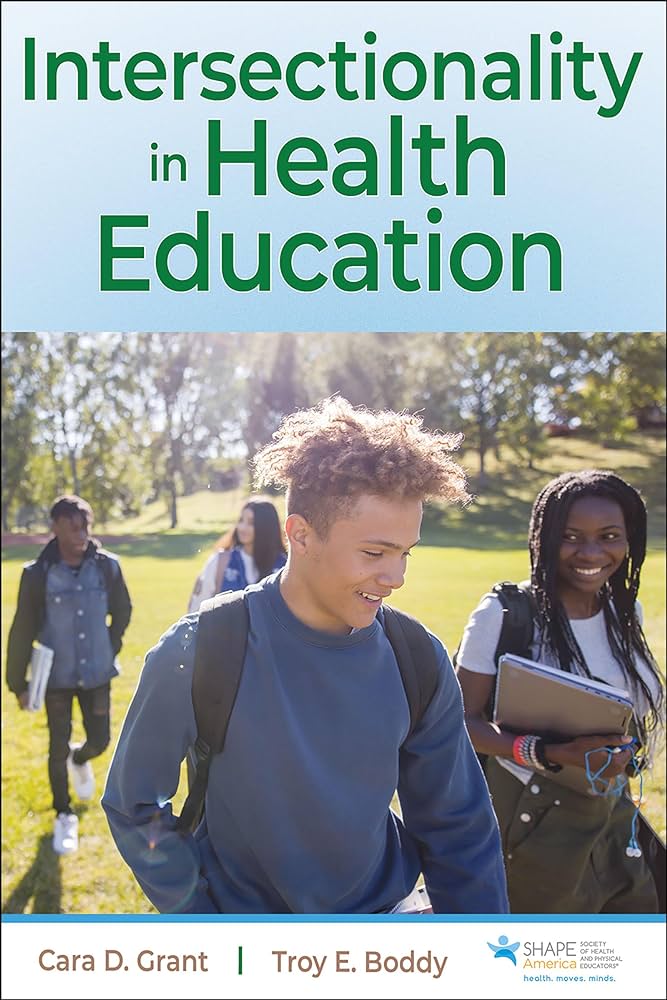
Have you read the latest Book of the Month recommendation? Also, I highly recommend Intersectionality in Health Education.
 #slowchathealth