This guest post comes from Kevin Shephard, who you might know through his work with supportREALteachers.org, an initiative of the Center for Advancement of Standards-based Physical Education Reform (CASPER). The point of this post is to spark discussion on the topic.
As the repercussions of climate change reverberate across all facets of our lives, the realm of sports is no exception. Athletes, fans, and sporting events worldwide are increasingly confronted with the tangible consequences of a warming planet, ranging from extreme weather events disrupting opportunities to play to the intricate ecological interplay that shapes the landscapes on which physical activity occurs. Rising temperatures, altered precipitation patterns, increased wildfire smoke, and environmental degradation pose significant challenges to the sustainability of sports, affecting not only the athletes’ performance but also the very infrastructure and traditions that define sporting cultures.
Physical education, with its inherent focus on holistic well-being and lifestyle choices, holds a unique position in addressing these challenges. By incorporating environmental education into the physical education curriculum, we not only promote physical health but also cultivate a profound understanding of the interconnectedness between personal wellness and the health of the planet. From advocating for active modes of transportation to integrating eco-friendly practices in recreational activities, physical education can instill a sense of environmental responsibility in students. Moreover, by utilizing green spaces and natural settings for physical activities, educational institutions can reinforce the importance of preserving and respecting the natural environment. By fostering a generation that values sustainable living, physical education becomes a powerful tool in mitigating climate change, shaping individuals who are not only physically fit but also environmentally conscious and committed to creating a healthier, more resilient planet for future generations.
Below are some example issues that can be addressed in physical education. What else would you add?
| Environment Issue | Possible Solutions |
| Air Quality | Add plants and trees to the school campus (outdoors and indoors).Establish safe AQI levels for outdoor play. |
| Protection from the Sun | Provide areas of shade through structures and trees.Provide numerous water stations. |
| Transportation to School | Ensure safe routes to school.Walk and ride programs.Walking bus programs. |
| Equipment and Facilities Issue | Possible Solutions |
| Hazardous Chemicals | Find green alternatives.Minimize the use of cleaning supplies, markers, paint, glow in the dark sticks, etc. |
| Playing Surfaces | Use natural play spaces and materials (dangers of synthetics).Ensure new construction materials are safe. |
| Safe Drinking Water | Test water quality. |
| Single Use Items | Find green alternatives for things like balloons, decorations, tape, and plastic items.Find permanent alternatives. |
| Sustainable Equipment | Use products made from wood, paper, glass, ceramic, natural textiles, metals, etc. |
| Water Usage During Droughts | Install efficient water systems.Less lawn care and more natural spaces. |
| Teaching Practice | Possible Solutions |
| Minimize Energy Use | Using green practices such as sleep mode, brightness levels, and power saving mode.Minimize technology use with students (including homework assignments). |
| Student Education | Add gardening and composting programs. Embed climate change concepts into your lessons (carbon footprint, food waste, global connection, greenhouse effect, water cycle, etc.) Example climate change learning outcomes for physical education in New Jersey:K-2: Describe how climate change affects the health of individuals, plants and animals.3-5: Describe how business, non-profit organizations and individuals can work cooperatively to address health problems that are affected by global issues, including climate change. 6-8: Collaborate with other students to develop a strategy to address health issues related to climate change. 9-12: Investigate how local, state and global agencies are addressing health issues caused by climate change and share this information in an appropriate setting. |
| Activities | |
| Carbon Footprint Activities Climate Change in Physical Education Environmental Education Group Games and Activities OneTreePlanted PhysEd Carbon Cycle Education The Recycle Games  |
Pair this post with the following:
Blog post: Physical Literacy, Inclusiveness, and The Spatial Imaginary by Dr. Brian Culp
Podcast: Casting Shade: Shade Inequity, Health, and Spatial Justice by Not Built for Us
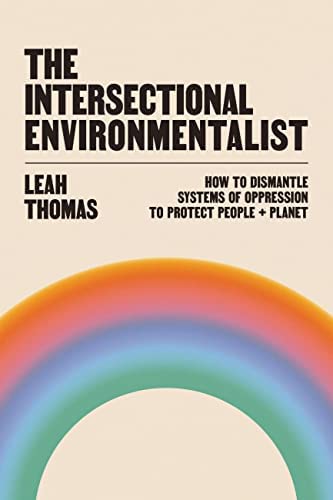
Book: The Intersectional Environmentalist by Leah Thomas
As always, I appreciate you for supporting the blog. I look forward to another year of promoting online discussion, sharing resources, and inspiring all of us to provide a better experience for our students. Please get in touch if you wish to write a guest post or collaborate with #slowchathealth.
 #slowchathealth